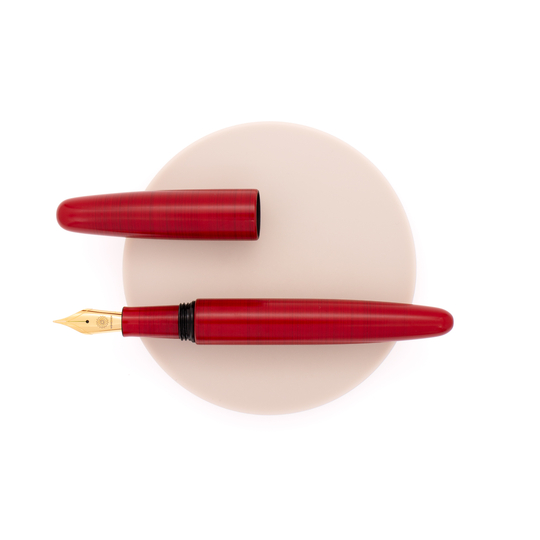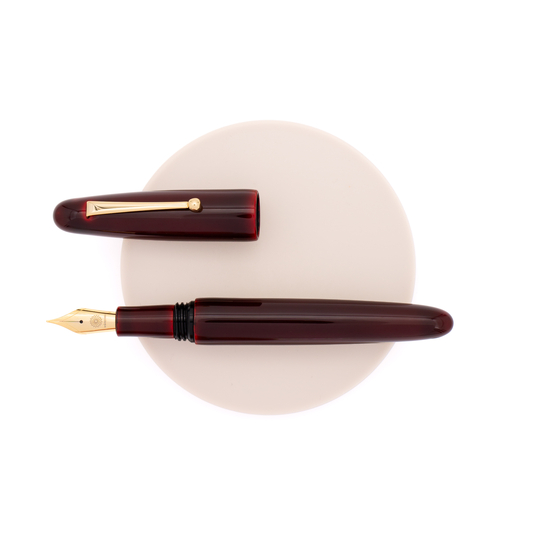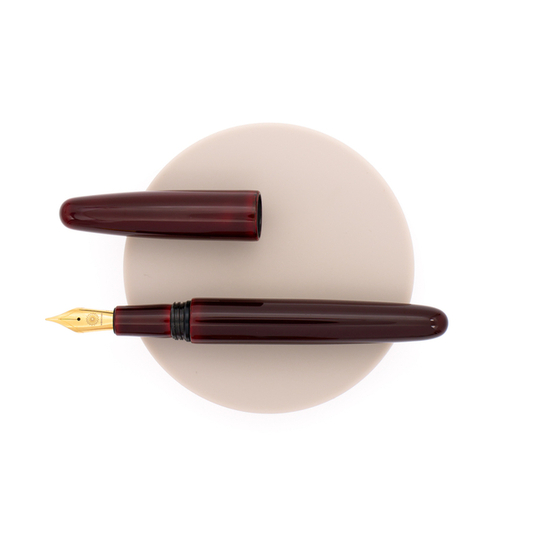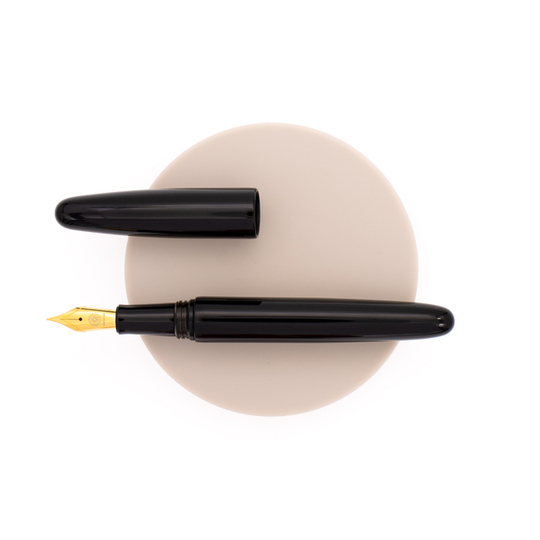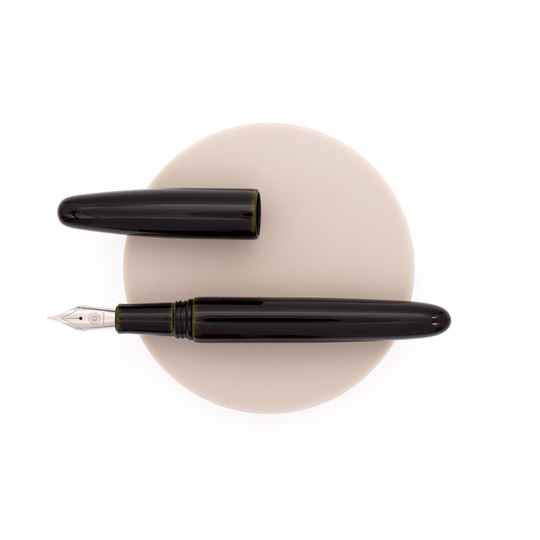


| Brand | Wancher |
| Series | Wancher Dream Pen True Urushi |
| Color | Black |
| Edition | Regular |
| Body Material | Resin |
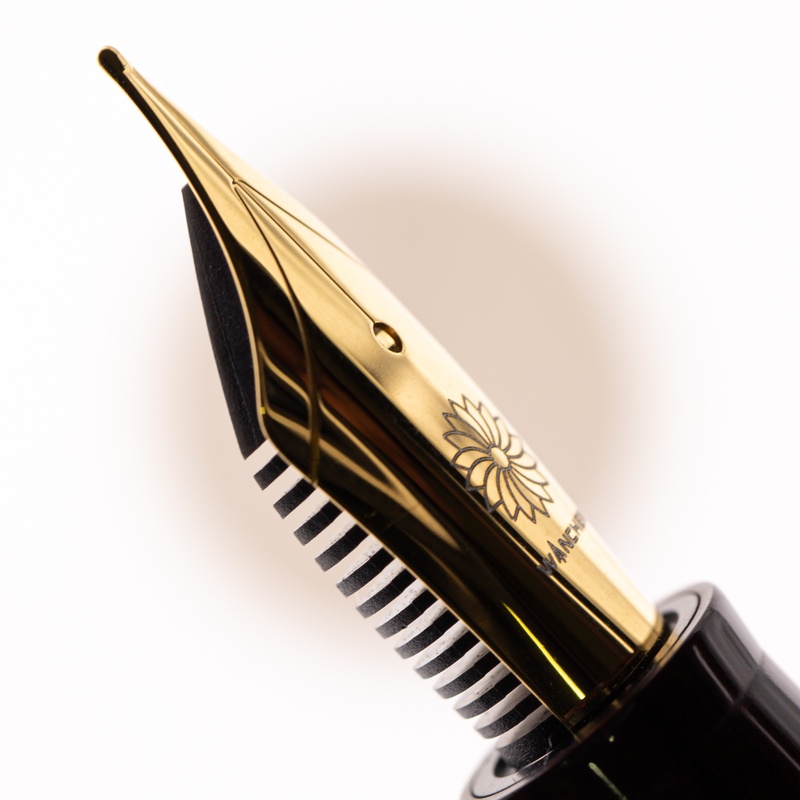
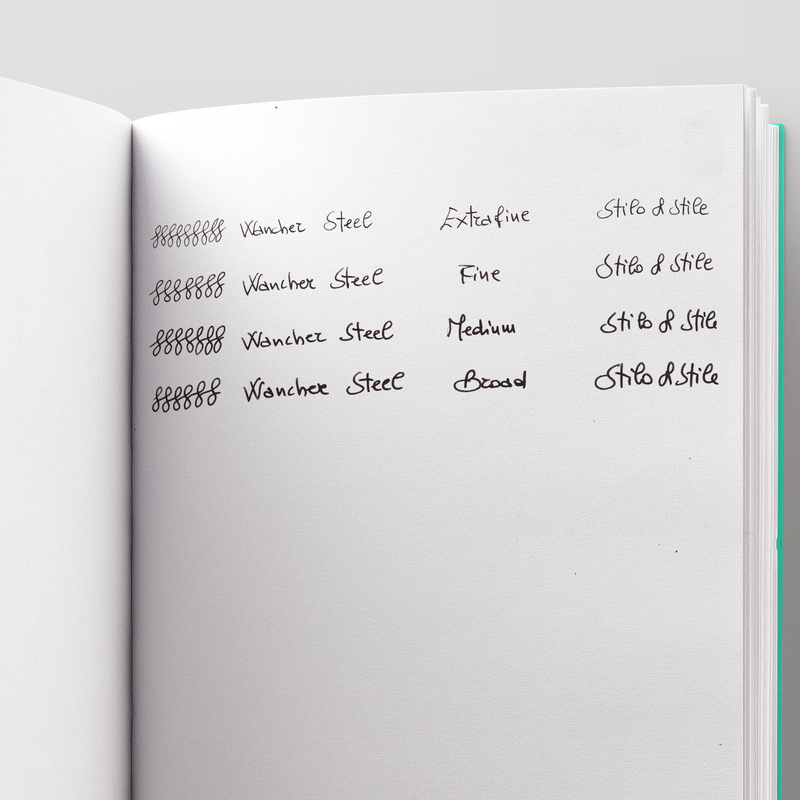
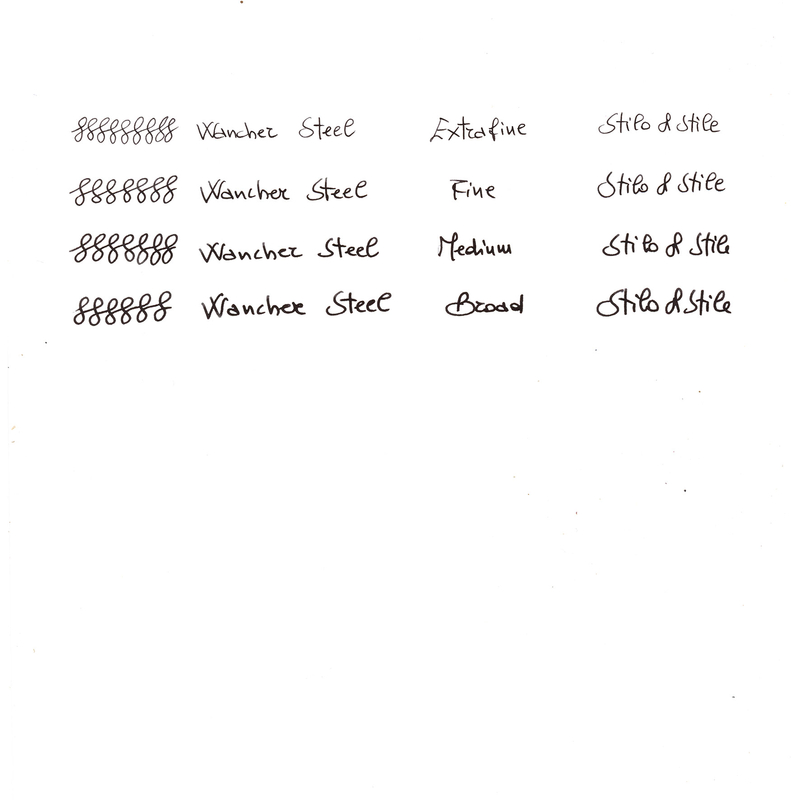
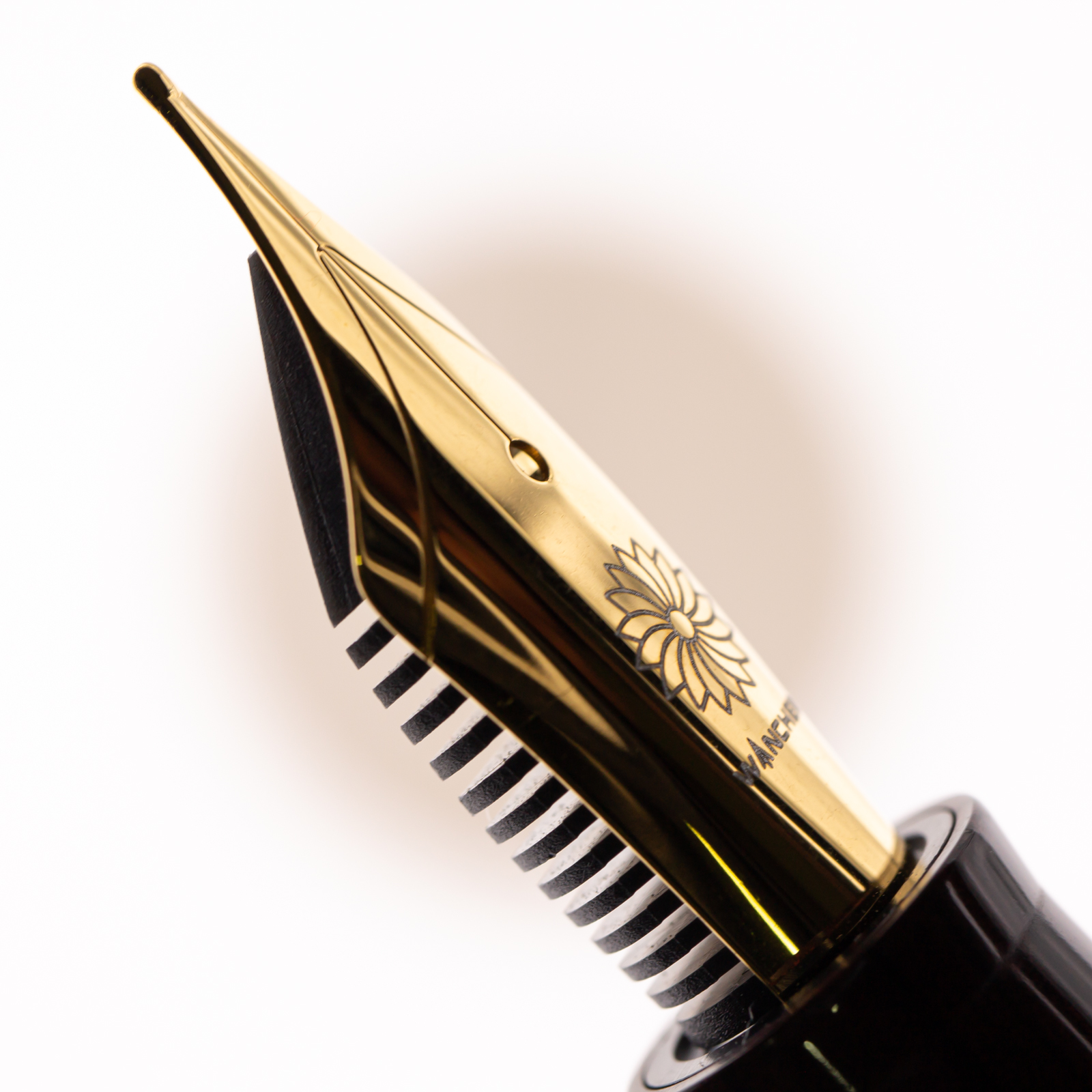
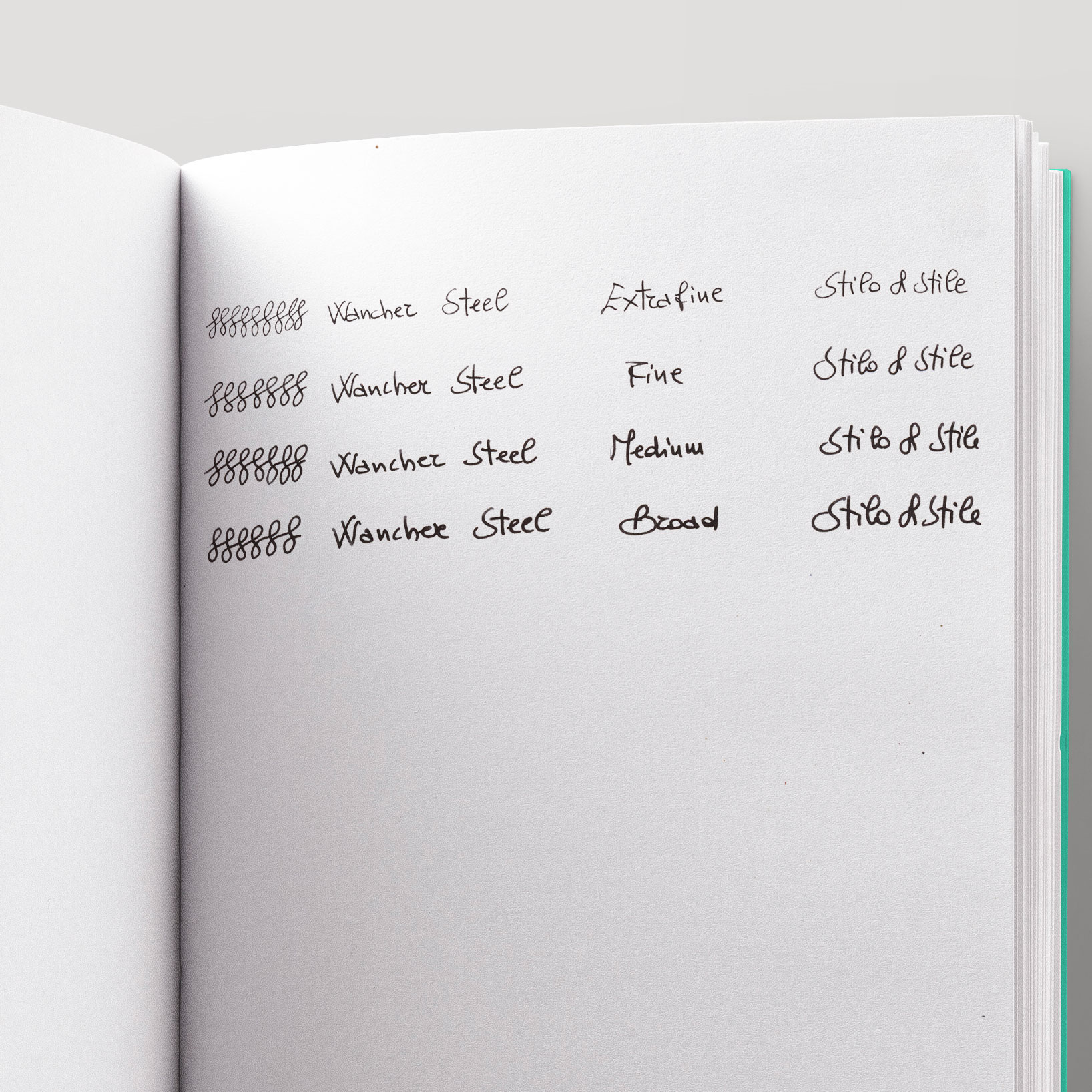
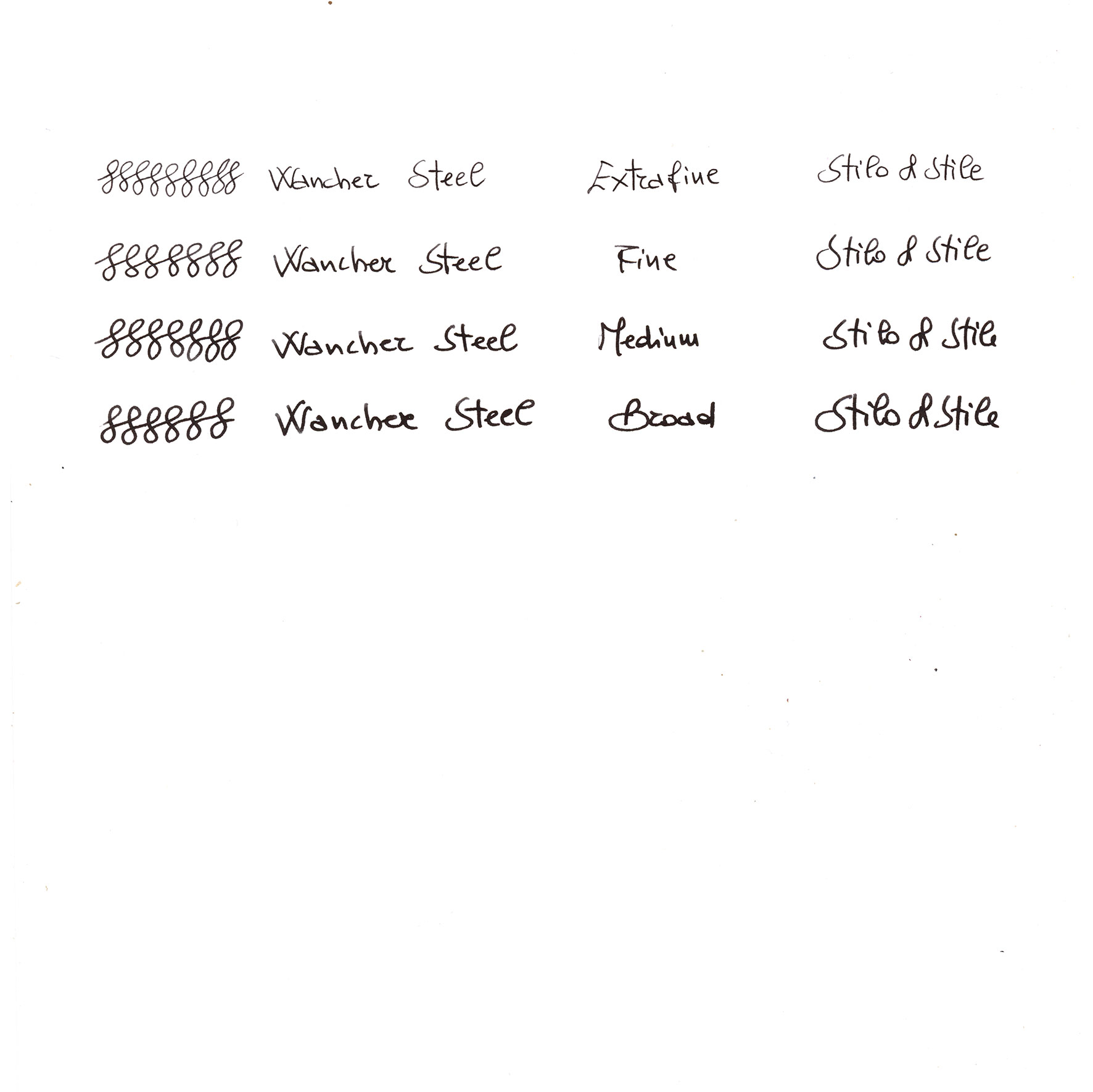
| Nib Material | Steel |
| Nib Type | Hard |
| Filling Mechanism | Standard Cartridge/Converter |
| Converter Included | Yes |
| Cap Type | Screw-Cap |
| Trim | Gold |
| Length (closed) | 154 mm |
| Length (body) | 136 mm |
| Length (cap) | 69 mm |
| Diameter (body) | 15 mm |
| Weight (overall) | 30 g |
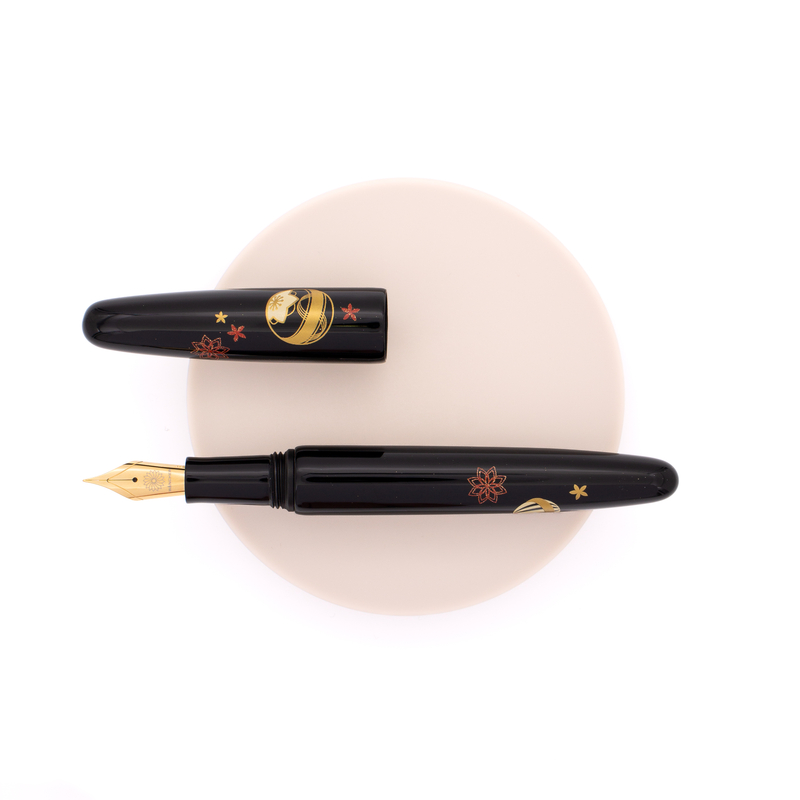
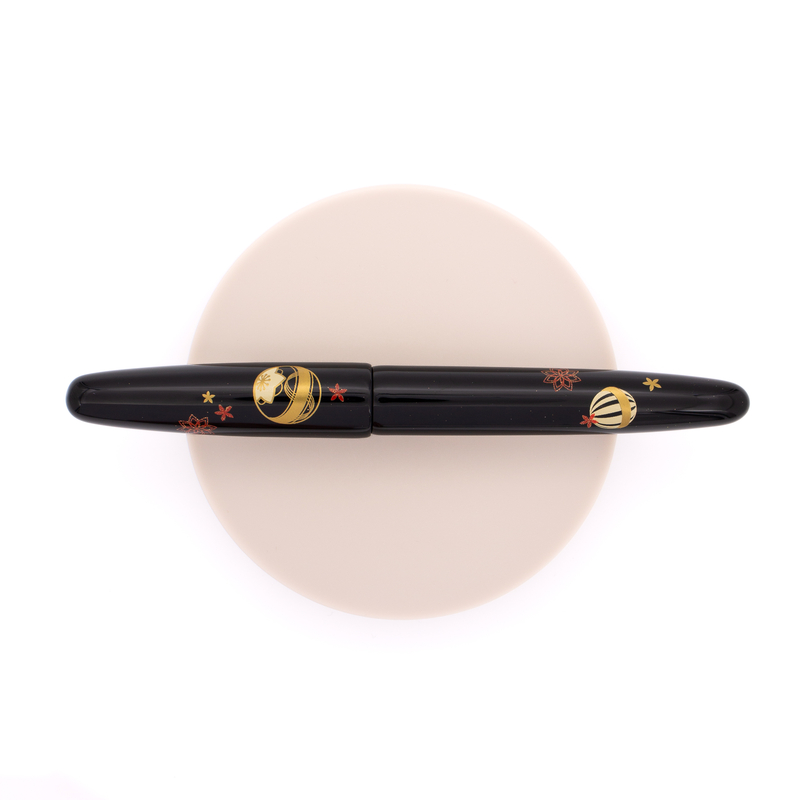
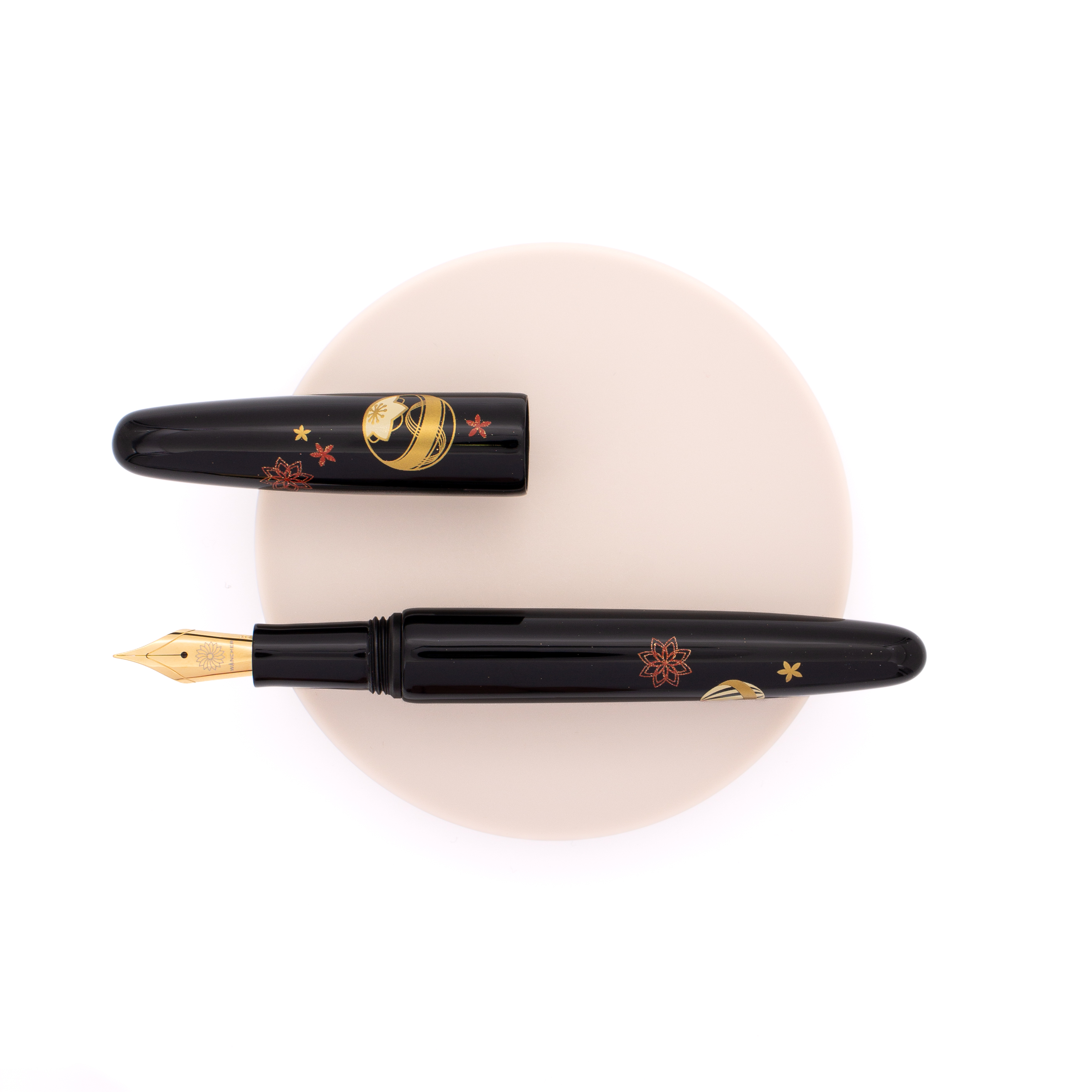
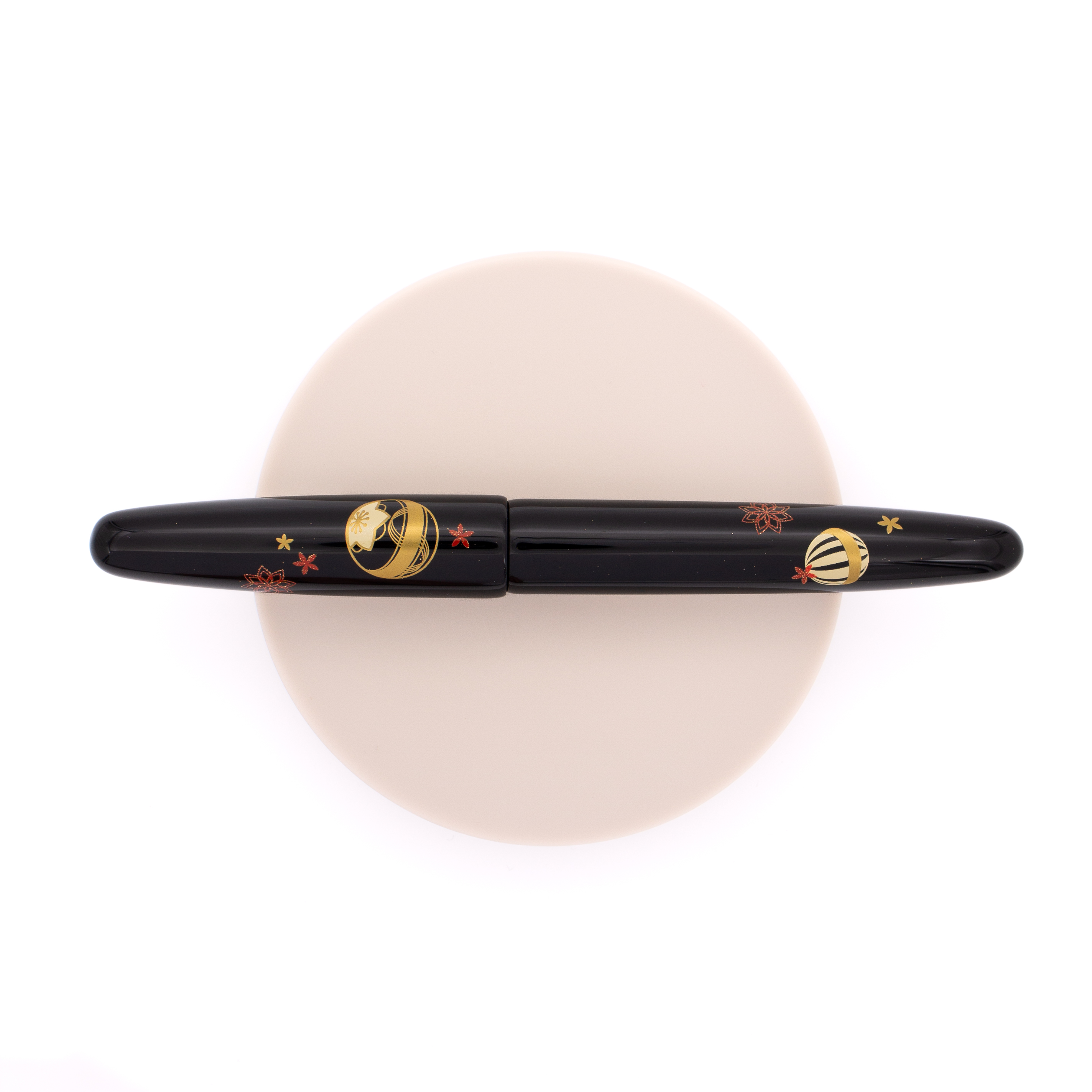
The Wancher Dream Pen Echizen Urushi Temari is a fountain pen that combines the elegance of traditional Japanese lacquer with one of Japan’s most symbolic decorative motifs. Its design is inspired by Temari, the traditional embroidered balls that represent friendship, loyalty, and enduring bonds.
In Japanese culture, Temari were often given to children as gifts during the New Year, symbolizing affection and a bond meant to last forever. The decoration of this pen reflects that heritage through refined patterns inspired by the vibrant geometry of Temari balls.
The body of the pen features a deep black Echizen Urushi lacquer finish. The silky, lustrous surface provides the perfect background for the Temari motif, which stands out beautifully through overlapping gold and orange accents.
Echizen Urushi originates from the Echizen region of Fukui Prefecture in Japan, a historic center of lacquer craftsmanship. The lacquer is produced from the sap of the urushi tree and has been used in Japanese lacquerware for more than 9,000 years.
The production process requires exceptional patience and skill. The lacquer is applied in multiple thin layers, and each layer must fully dry before the next is applied. This meticulous process can take several months, resulting in a deep, durable, and beautifully polished finish.
The decoration is created using the Kindai Maki-e technique, a modern evolution of the traditional Maki-e craft. This method allows artisans to create more vibrant and colorful patterns, enhancing the beauty of the Temari motif.
The Wancher Dream Pen Echizen Urushi Temari embodies the meeting of traditional Japanese craftsmanship and contemporary design, transforming centuries-old lacquer techniques into a refined writing instrument.
From the same collection
Viewed products